Thursday, October 1, 2026

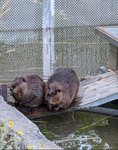
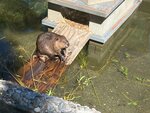
LEAVENWORTH – As river restoration and salmon recovery has been spearheaded by various advocates throughout the valley, Trout Unlimited is adding beavers to the conversation through the Wenatchee-Entiat Beaver Project.
Stream restoration often involves multiple organizations coming together to build manmade beaver dams or beaver dam analogs (BDAs). These BDAs increase groundwater supply, improve water quality, and restore fish and wildlife habitat. However, building and maintaining these projects takes time and resources.
“We've built a ton of [restoration] projects, and it's becoming a whole summer of just going back and doing maintenance on them. But if we can bring in beavers, they do that maintenance for free and much more efficiently than we do, so that's the idea with relocation efforts,” said Lisa Foster, Restoration Program Director at Trout Unlimited.
Trout Unlimited’s project works in two-fold. When Foster’s team receives a call about a beaver conflict, their first move is to implement coexistence strategies. If coexistence isn’t feasible, they will relocate the beaver.
“If I trap those beavers, new beavers are just going to come in. Beavers exist on the landscape, and we're kind of trying to get people used to that idea, as opposed to just removing them,” said Foster.
The team has a number of tools to promote coexistence, such as caging tree bases, fencing culverts, and installing pond levelers in order to reduce the conflict.
“Our coexistence efforts have been really successful, which means that we're not moving as many beavers. Which again, that's ideal for the beavers. They want to stay where they are. They've found a place. It's their home where they have food, and they're raising their kids and their families nearby,” said Foster.
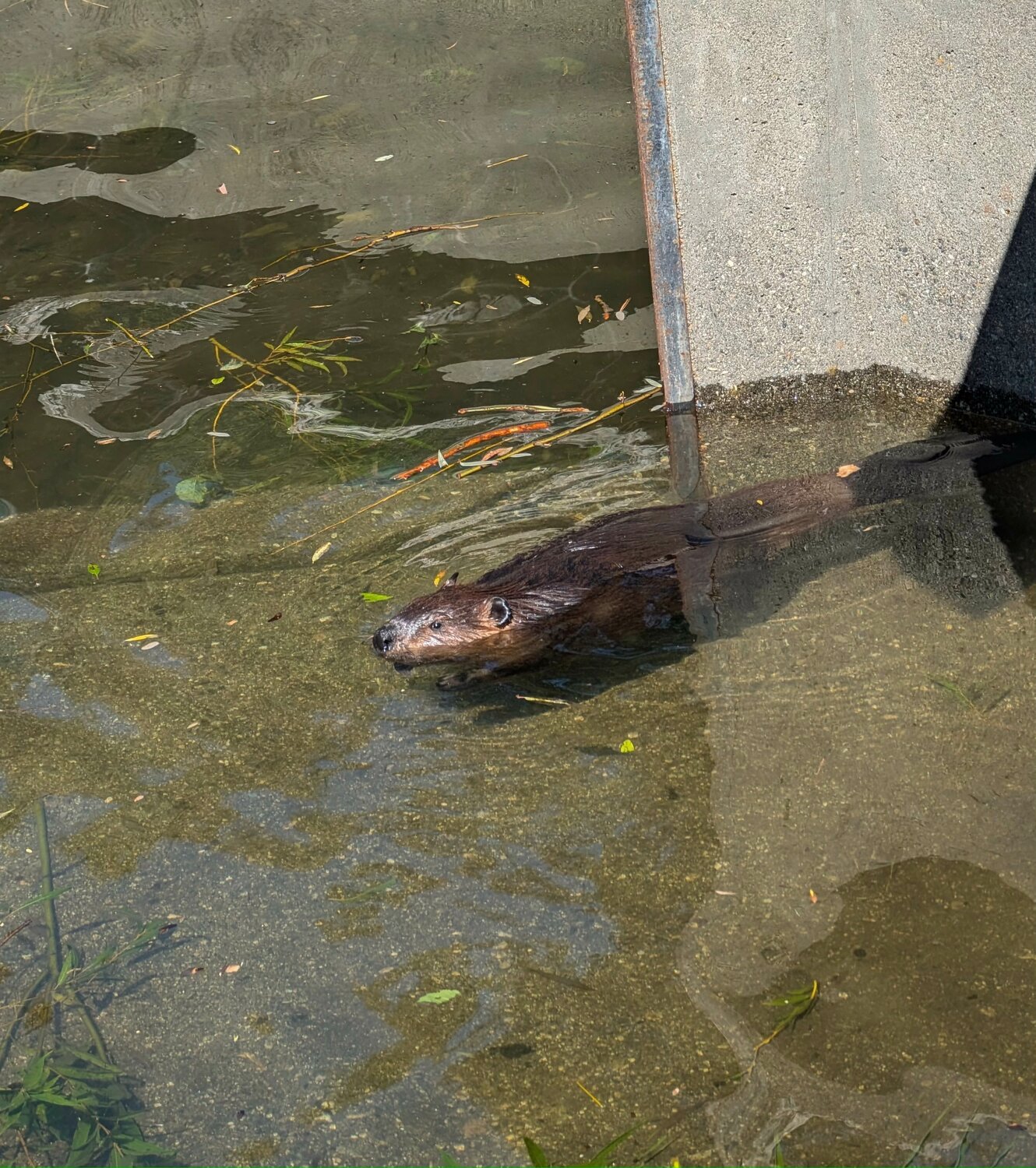
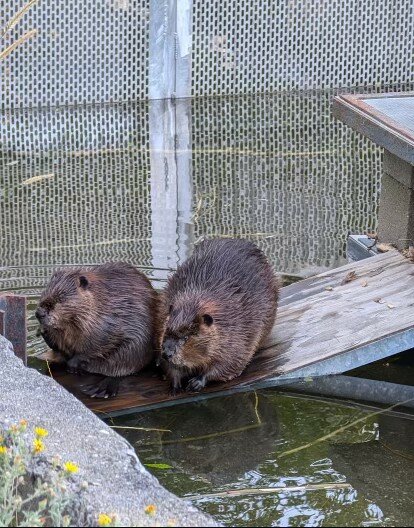
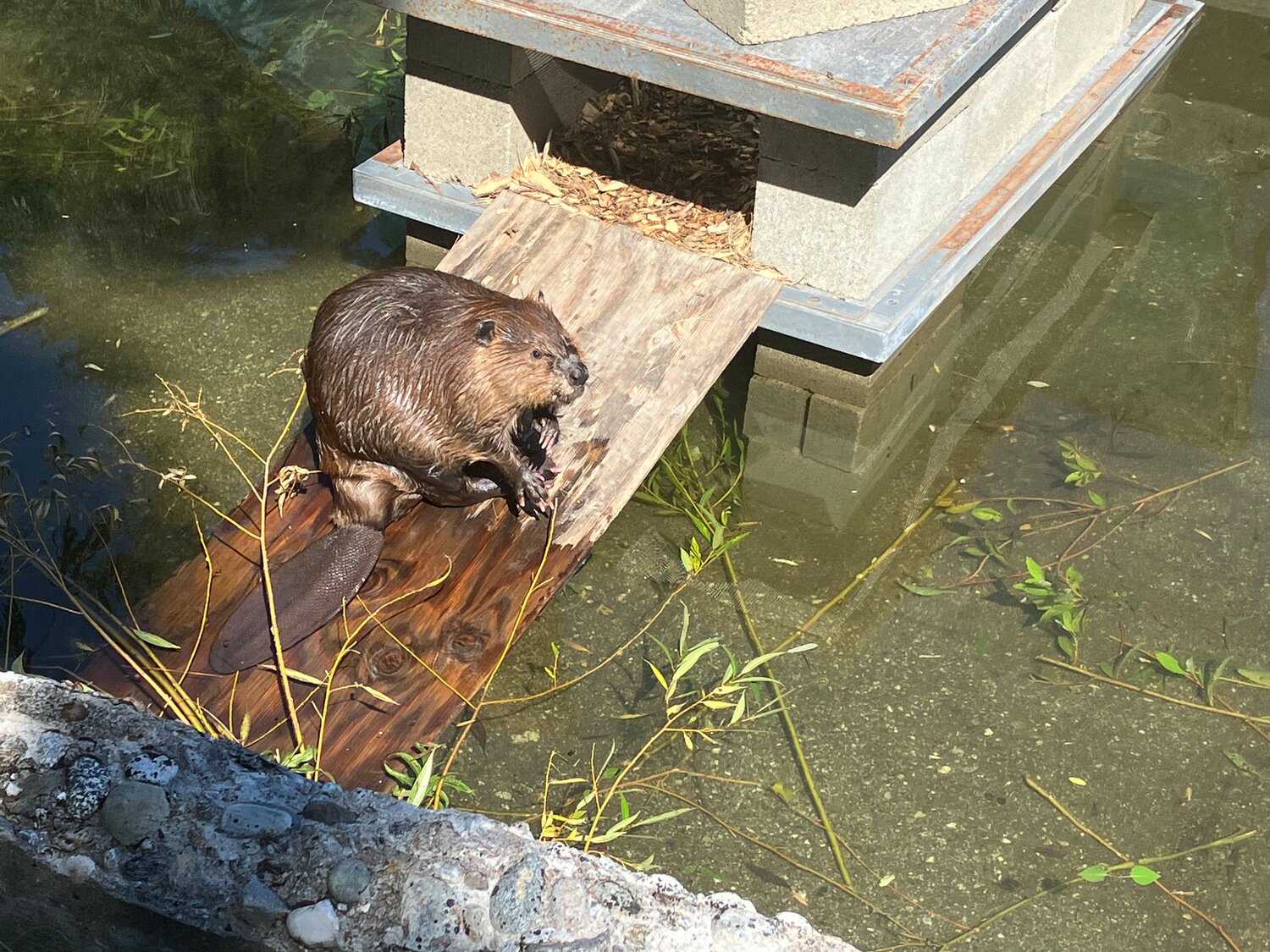
When coexistence efforts aren’t effective, Trout Unlimited’s next move is to trap the beaver for relocation. The beaver is first brought to a holding facility at the Leavenworth National Fish Hatchery, where it will be assessed and monitored while other family members are trapped.
Then, the beaver, or beaver family, is taken to a preselected site that meets permit requirements, on public or private land with owner permission.
“We have to go 2,000 feet upstream and downstream of a release site. We have to say how deep the water is, if there's good pools, if there's sufficient food, if there's any concerns, like culverts or roads,” said Foster.
Trout Unlimited will often target stream restoration sites, where the beaver’s basic needs will be met and their presence will be most effective. Once the beavers get to work slowing streamflow, the area can see a myriad of improvements such as moderation of water temperature, increased fire resiliency, and increased biodiversity and riparian zones.
However, these benefits have only started to gain recognition in recent years. For decades, beavers have been written off as a nuisance animal. According to Washington State Department of Fish and Wildlife (WDFW), beavers are the second-most frequent reason for constituents to contact the agency regarding conflict. Additionally, landowners are allowed to kill beavers that are causing damage on their property.
“Beavers have been considered a nuisance animal for so long, even within my agency, if you look at the traceback URLs that we use for our beaver web pages, they're in the nuisance animal grouping. And there are so many conversations that I have where beavers are still considered a nuisance animal,” said Shawn Behling, Wetland Wildlife Species Specialist for WDFW.
While groups across the state such as Tulalip Tribes Natural Resources and the Methow Beaver Project have been doing this work as far back as 2008, the state has only recently started to consider beavers as a species that needs more research and protection.
RCW 77.32.585, a pivotal law passed in 2012 and revised in 2017, recognized that beavers “have historically played a significant role in maintaining the health of watersheds in the Pacific Northwest and act as key agents in riparian ecology.” The law allowed the relocation of wild beavers, prompting WDFW to enact the Beaver Relocation Permit Pilot Program in 2019.
The temporary feasibility project was intended to reduce lethal removals throughout the state by ensuring humane care during relocation, supporting relocators, and implementing data collection.
“Now that we are seeing such widespread degradation of habitat and of populations of so many species, especially ones that are dependent on freshwater systems, folks are starting to realize that these are fragile and interdependent, and that beavers are one of the few species that can so easily tie many different aspects of habitat together and repair them in ways that take our human restoration efforts, so much time, so much energy and so much money,” said Behling.
On Sept. 27, the Fish and Wildlife Commission decided to adopt the pilot project as a permanent program, which will go into effect on Dec. 7.
“I am very, very happy. It was a lot of work, a surprising amount of work, to make that [Washington Administrative Code] happen, but I'm very excited that the Commission agreed that this is a program that should continue,” said Behling.
While the program is a step towards beaver protection, Foster says there’s still more to be done to track population size and set trapping limits. Currently, there are no protections from trapping for beavers that have been recently relocated to restoration areas.
“We want beavers to be treated like any other game species. We do that for deer. We do that for all sorts of species, and I think beavers deserve those same protections, especially recognizing their outsized impact on the landscape,” said Foster.
Those interested in receiving assistance with beaver coexistence or relocation can contact Foster at 509-630-3733, or lisa.foster@tu.org.
Taylor Caldwell: 509-433-7276 or taylor@ward.media


Comments
No comments on this item Please log in to comment by clicking here